

How Beldam Packing and Crossley’s Supported Britain During the First World War
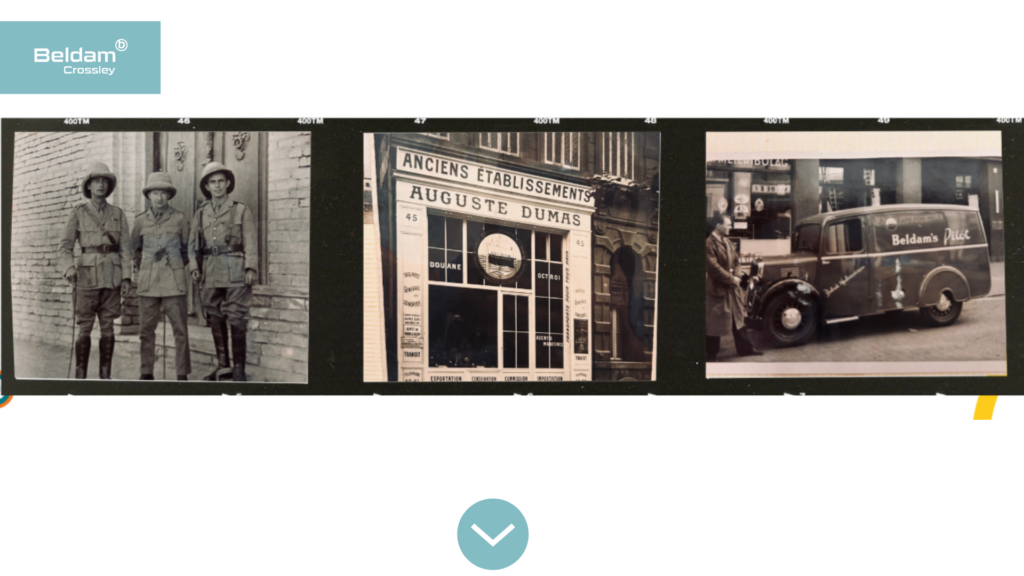
During the First World War, Beldam Packing and Henry Crossley’s engineering businesses helped keep Britain’s steam systems, ships, pumps, valves and industrial machinery operating. Their packing, sealing and tyre technologies show how apparently small components could become strategically important during wartime. This fifth article in the Beldam Crossley Reflections series explores the company’s First World War history from 1914 to 1918. It is part of a wider look at how Beldam Packing and Crossley’s supported Britain through both world wars. Today, Beldam Crossley continues to hold defence approvals and standards including JOSCAR, Aerospace AS9100 and Cyber Essentials Plus. At a glance: Beldam Crossley and the First World War Period: 1914-1918 Businesses: Beldam Packing & Rubber Company and Henry Crossley (Packings) Ltd Core products: high-pressure steam packing, industrial seals, gaskets, belting and tyre components Industries served: shipping, power generation, heavy engineering and industrial machinery Strategic role: helping machinery retain pressure, prevent steam loss and remain operational The First World War, 1914-1918 Steam, ships and an expanding industrial network defined the engineering landscape when Britain entered the First World War in August 1914. Both Beldam Packing and the newly established Henry Crossley business were working in an industrial world powered largely by steam. High-pressure steam systems depended upon effective packing around moving shafts, piston rods, pumps and valves. Without it, steam escaped, pressure fell and machinery became inefficient or unsafe. On naval vessels and merchant ships, sealing products were therefore essential operational components rather than routine consumables. Beldam Packing & Rubber Company The Beldam Packing and Rubber Company was formally incorporated on 7 August 1914, just days after Britain entered the war. The company had already developed a strong reputation for high-pressure steam packing, including its Pilot and V-Pilot products. Its products were used within marine engineering and aboard major ships before the conflict began. The war created enormous increases in demand from naval and merchant shipping. Britain depended upon its ships to move troops, food, fuel, raw materials and munitions, while the Royal Navy maintained the blockade of Germany and protected global sea routes. Every vessel contained pumps, engines, valves and auxiliary machinery that needed reliable sealing. According to the company’s historical record, wartime demand led Beldam to invest in: new production mills; rubber-calendering machinery; vulcanising equipment; presses; and workshops and additional factory space. Its workforce more than doubled during the conflict. The war effectively accelerated Beldam’s development from a successful family concern into a substantial industrial manufacturer. Beldam’s contribution was not limited to packing George Beldam’s tyre designs were reportedly used on armoured cars operating in desert conditions during the First World War. A contemporary connection is recorded through T. E. Lawrence’s description of Beldam inner tubes being used during high-speed desert operations. Behind the products sat an increasingly sophisticated distribution system Beldam already had representatives in major British ports, where technically knowledgeable branch managers held stocks and could speak directly with ships’ engineers. As the company’s history explains, materials could be taken directly to a vessel by foot, bicycle, tram, train or motor van, allowing urgent repairs to be completed in hours rather than days. That ability mattered greatly during wartime. A ship held in port by a leaking pump, valve or engine component represented lost operational time, delayed cargo and potentially wider disruption to the war effort. Henry Crossley (Packings) Ltd Henry Crossley established his packing business in Bolton in 1913, immediately before the outbreak of war. By 1938 it was operating from Temple Road, Astley Bridge, and manufacturing specialist packings and sealing products for heavy engineering applications. The business’s known capabilities included braided and plaited materials, gasketing and industrial seals for high-pressure machinery. Its industrial context is clear. Henry Crossley entered business at precisely the moment when Britain required greatly increased production of steam, marine and mechanical equipment. Packing and gasketing were necessary wherever shafts moved, valves operated or pressure had to be retained. The company’s wartime role is therefore best understood as part of the supporting engineering supply chain that kept machinery functioning. The legacy of the First World War The conflict demonstrated that relatively small engineered components could have strategic importance. A vessel might contain thousands of individual sealing points. Each seal supported a larger system: propulsion, pumping, steering, fuel handling, steam generation or weapons operation. The experience gained under wartime production pressures helped both companies build manufacturing knowledge that would become even more important during the Second World War. The Beldam Crossley story is one of engineering continuity: from steam-era packing and shipboard repairs to modern, UK-manufactured sealing and polymer solutions for demanding industrial, marine, aerospace and defence applications. Explore the full history of Beldam Crossley since 1876, or contact our engineering team about a sealing, bearing or polymer component requirement. Frequently asked questions What did Beldam Packing manufacture during the First World War? Beldam Packing manufactured high-pressure steam packing and related sealing products used around moving shafts, piston rods, pumps and valves. These components helped steam-powered machinery and shipboard systems retain pressure and operate safely. Why were packing and seals important to wartime shipping? Naval and merchant vessels relied on pumps, engines, valves and auxiliary machinery. A failed seal could cause pressure loss, leakage, unsafe operation or downtime, making reliable packing an essential operational component. How did the war change Beldam’s manufacturing capacity? Wartime demand prompted investment in production mills, rubber-calendering machinery, vulcanising equipment, presses, workshops and factory space. The company’s workforce more than doubled during the conflict. What was Henry Crossley’s role? Henry Crossley founded his Bolton packing business in 1913. Its capabilities in braided and plaited materials, gasketing and industrial seals supported the wider engineering supply chain that kept high-pressure and steam-powered machinery functioning. Does Beldam Crossley still serve defence and high-integrity industries? Yes. Beldam Crossley states that it holds approvals and standards including JOSCAR, AS9100 and Cyber Essentials Plus, supporting its work across defence, aerospace and other demanding sectors.